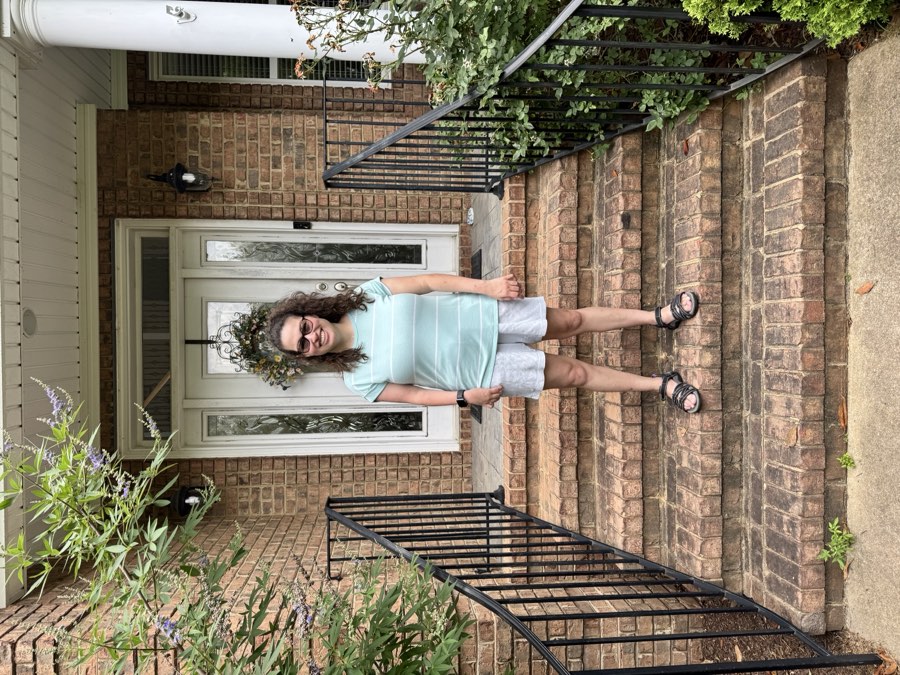
Marisa
Nashville, TN
Marisa found a welcoming home close to family and the parks she loves, with the day-to-day support that helps her live independently.
“Having my own front door means everything.”
A warm, simple way to discover group homes, supported living, and accessible apartments that fit your life.
Free to use · No sign-up needed · 600+ listings


Three steps to a place that fits your life.
Type a city, ZIP, or keyword — or use the filters to narrow by disability, cost, accessibility, and more.
See who each home serves, how it's paid for, and which accessibility features it offers — all in one clear card.
Reach providers directly by phone, email, or website — or save your results as a PDF to share with family.
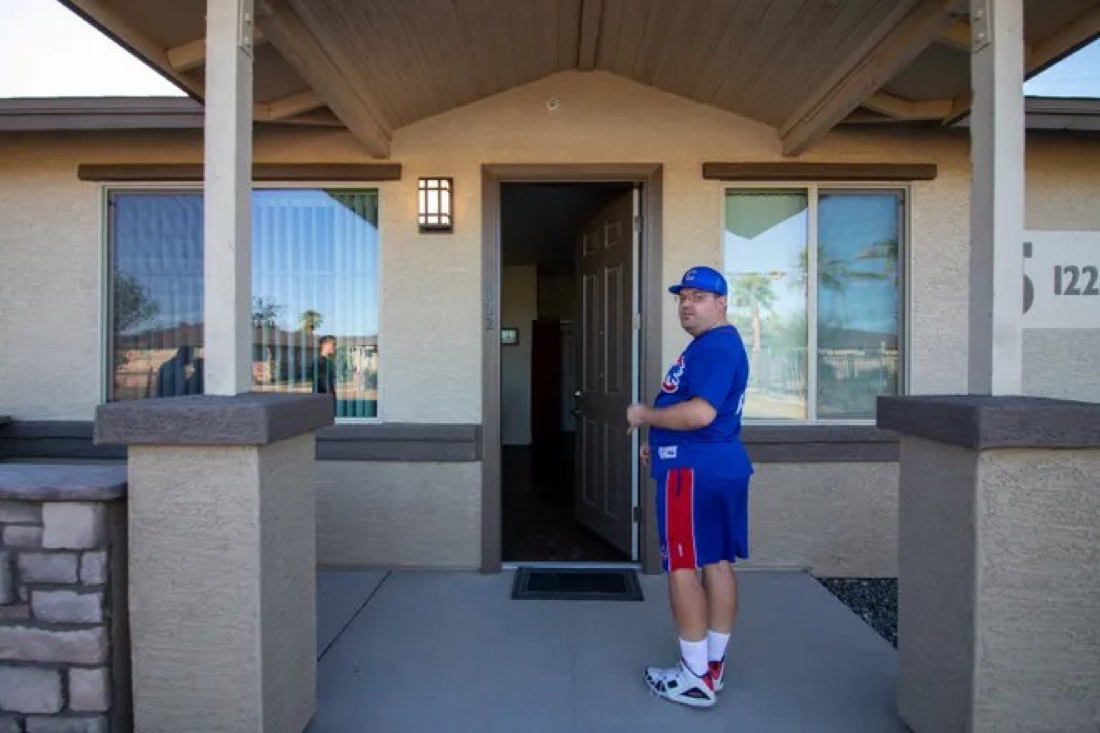
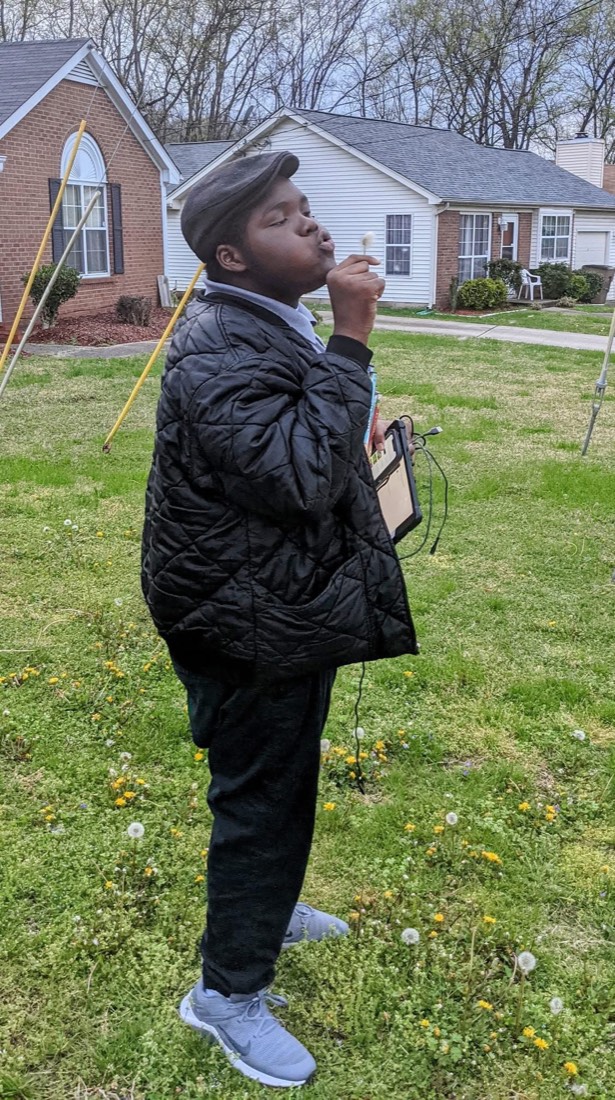
Everyone deserves a home where they can thrive. Here are a few of the people this project is for.
Nashville, TN
Marisa found a welcoming home close to family and the parks she loves, with the day-to-day support that helps her live independently.
“Having my own front door means everything.”
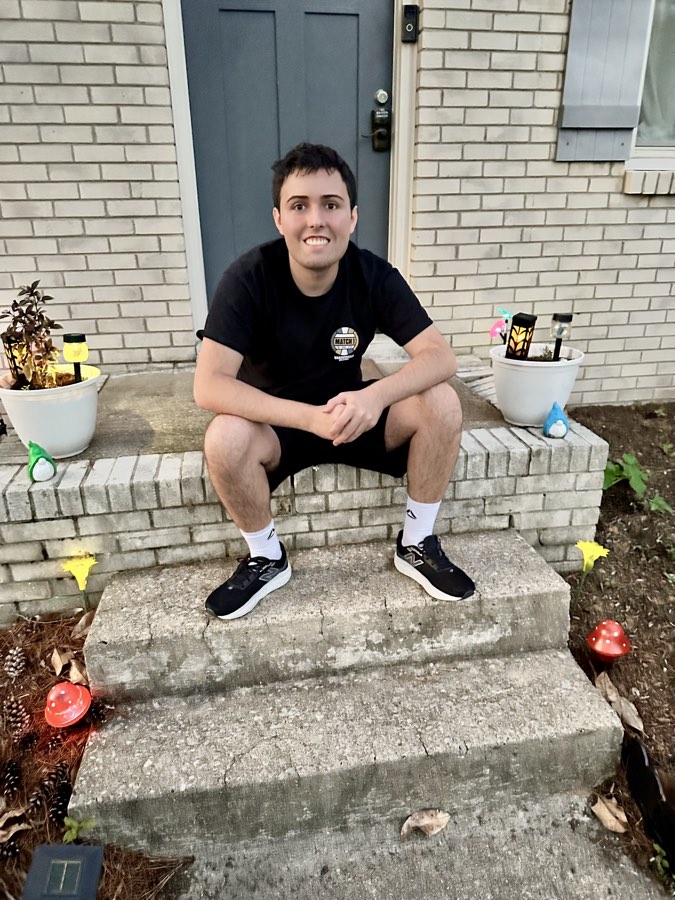
Middle Tennessee
Alex settled into a supported-living home with housemates who share his interests — and staff who help him work toward his goals.
“I finally feel like part of a community.”
Greater Nashville
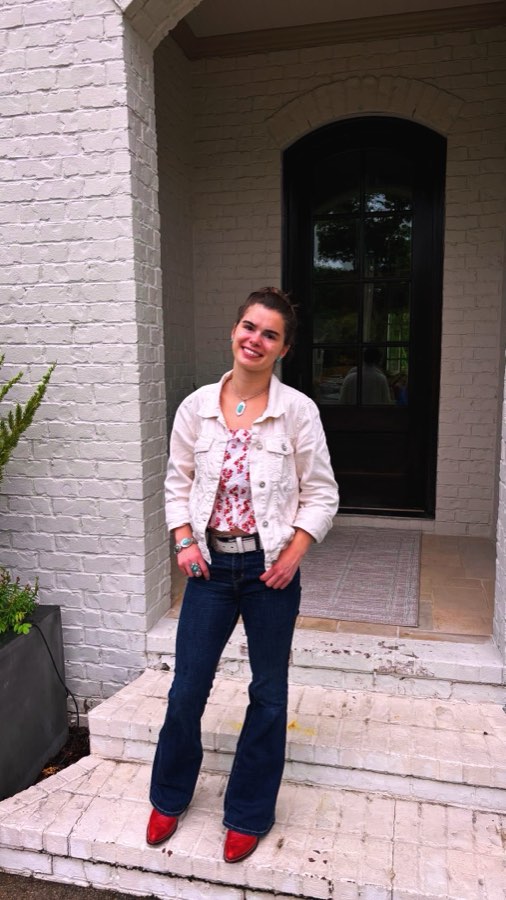
Kate's family used tools like this one to compare options and find an accessible place that felt right for her next chapter.
“We finally knew what our options were.”
New to all this? Start here — no jargon, just plain answers.
Browse every listing, or ask our assistant a question in plain language — it can filter the listings for you.
Search by keyword and narrow down with filters. Addresses aren't shown — contact each provider directly.
Short, plain-language answers. This is starter content — we'll keep refining it.
This website is intended for adults with disabilities. We recognize that housing needs and preferences vary by individual, so it provides information on a range of housing options to meet different support needs, strengths, and preferences.
Services and supports vary by state, so it's important to understand the programs available where you live. All 50 states and DC offer at least one Home and Community-Based Services (HCBS) waiver, which lets eligible individuals receive long-term services and supports in their homes and communities. Building a person-centered plan with family, caregivers, and your support team can help identify your goals, preferences, and support needs.
HCBS services may include homemaker services, meal preparation, help with activities of daily living (ADLs), employment supports, assistive technology and home modifications, transportation, and more. You can find your state's information at Home & Community-Based Services: State-by-State Programs & Waivers.
Consider where you or your family member would like to live and the level of independence and support that best meets your needs. Options generally fall into three categories:
Also think about your preferences — the size and type of home, and whether you'd like to live alone, with family, with friends, or with roommates — and the location, including access to transportation, employment, education, healthcare, shopping, recreation, and the people and activities important to you.
This guide from the Autism Housing Network is a helpful place to begin: Getting Started with Finding Housing.
There are several ways to pay for housing, and many people use a combination of sources. Costs may be covered through earned income, a Special Needs Trust or ABLE account, Supplemental Security Income (SSI), or Social Security Disability Insurance (SSDI).
Some people qualify for rental assistance, such as a housing voucher through their local Public Housing Authority (PHA), or for an affordable or subsidized unit. These programs are in high demand and waiting lists are often long, so apply as early as possible. Partners4Housing is a great resource to learn more.
Families may also consider strategies like purchasing or converting an Accessory Dwelling Unit (ADU), or planning the transfer of a family home through estate planning. Some state Housing Finance Agencies offer programs that support these options — contact your state's Housing Finance Agency or local PHA to learn what's available. An ABLE account may also help pay for qualified housing expenses, depending on your eligibility.
Many people with disabilities rely on Home and Community-Based Services (HCBS) waivers for the long-term services and supports that help them live independently. Because these programs vary by state, contact your state's Developmental Disabilities Agency (or other administering agency) to learn about programs and eligibility.
Waiting lists are common, so apply as early as possible. When you apply, describe your support needs thoroughly — including what you need on your most challenging days — so your needs are accurately represented.
Some communities also offer supportive amenities or on-site services. Depending on the property, these may be included in the housing cost or available for an extra fee, so ask each provider what's available and how it's funded.
We're continually updating this website to be as comprehensive and inclusive as possible. If you can't find what you need, consider reaching out to your local The Arc, Autism Society of America affiliate, or Center for Independent Living (CIL) — or dial 211 to connect with local resources, public benefits, and community supports.
If you're unable to find the services you need, or you've been denied assistance, consider sharing your experience with your elected officials. Describe the challenges you've faced and suggest changes that would make the system more responsive and accessible for you, your loved one, and others in your community.
We're a team dedicated to helping the disability community thrive — disabled self-advocates, family members of people with disabilities, professors, graduate and undergraduate students, and researchers. Together we bring lived experience, professional expertise, and a shared commitment to housing and community inclusion.
Through our research, partnerships, and advocacy, we understand many of the challenges people with disabilities and their families face when navigating housing, services, and supports. Our goal is to provide reliable, accessible, person-centered information that helps people make informed decisions and promotes communities where everyone belongs.
Helping adults with disabilities find a place to call home.
Finding accessible housing is hard — options are scattered, hard to compare, and often invisible online, especially in rural areas. This project brings them together in one warm, searchable place.
It's an AI-assisted research effort of the Vanderbilt Data Science Institute, in collaboration with the Department of Special Education. We use AI to help identify and maintain up-to-date housing information nationwide.
To make it dramatically easier for adults with disabilities — and the people who support them — to find housing that fits their needs, budget, and life, no matter where they live.
Contributor
Questions, corrections, or a listing to add? We'd love to hear from you.
All listings are collected from publicly available sources. Because information can change quickly, please verify availability, eligibility, cost, and accessibility features directly with each provider before applying.